
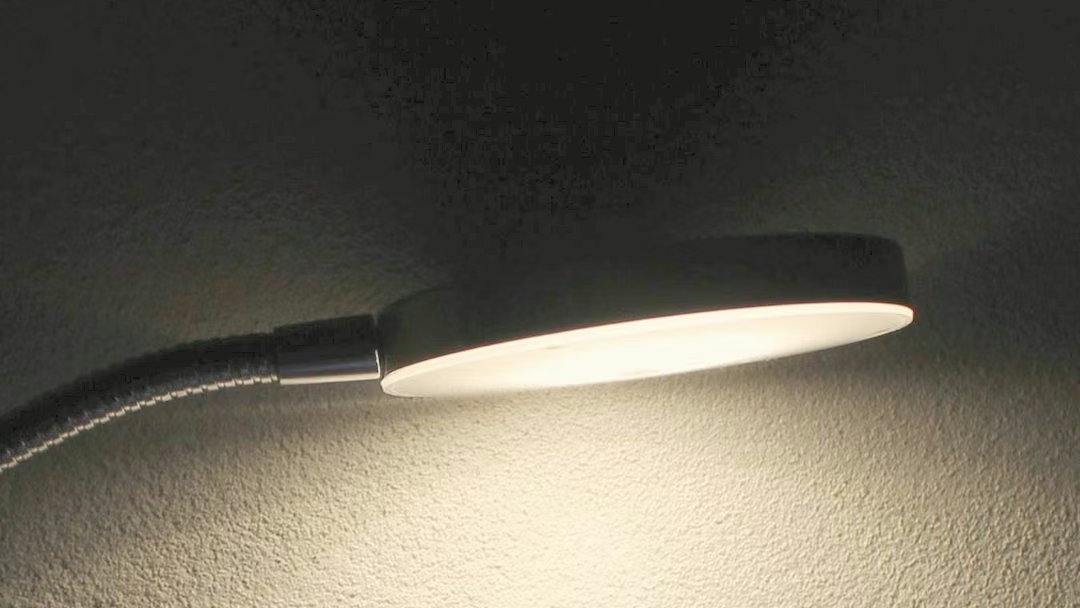
LED vs other bulb types
How LED compares with halogen, CFL, and incandescent for a desk lamp.
Disclosure: We may earn a commission if you buy through links on this page. It does not change what we recommend. Affiliate Disclosure
LED
LEDs use much less power for the same light than incandescent bulbs, run cooler, and last a long time. Many desk lamps now have LEDs built in, often with dimming and adjustable color. Quality varies, so check lumens, CRI, and whether the lamp flickers when dimmed.
Built-in LED vs replaceable bulb
- Built-in LED: slim designs and extra features. When the LEDs reach end of life, you usually replace the lamp.
- Replaceable bulb: you can change brightness and color by swapping the bulb. Check the socket type and the lamp's maximum wattage.
Built-in LED
- Slim design, features
- Lamp replaced at end of life
Replaceable bulb
- Swap brightness or color
- Check socket and max wattage
Halogen
A type of incandescent. Bright and good color, but uses far more power than LED and runs very hot. Hot bulbs near your hands and papers are a drawback in a desk lamp.
CFL (compact fluorescent)
More efficient than incandescent but less than LED. Can take time to reach full brightness, and many do not dim well. CFLs contain a small amount of mercury and need proper disposal.
Incandescent
Warm light and excellent color rendering, but the least efficient and hottest option. Most general-service incandescent bulbs no longer meet U.S. Department of Energy efficiency standards, so they are largely off store shelves. Some specialty types, such as appliance bulbs, are exempt.
Comparison at a glance
| Feature | LED | Halogen | CFL | Incandescent |
|---|---|---|---|---|
| Efficiency | Highest | Low | Medium | Lowest |
| Heat | Low | Very high | Low | High |
| Dimming | Common (check) | Yes | Often limited | Yes |
| Mercury | No | No | Yes, small amount | No |
FAQ
General information, not medical advice. See an eye care professional about eye strain or vision concerns.
